Warehousing and Logistics in Saudi Arabia: Meeting Vision 2030 Infrastructure Demand
Commercial freight volumes passing through Saudi Arabian ports and airports expanded rapidly over the past five years. Importers who previously stored inventory in basic corrugated sheds in older municipal districts now face strict civil defense rules, rising commercial rents, and tighter delivery windows from retail buyers. Keeping cargo protected and ready for rapid dispatch across Riyadh, Jeddah, and the Eastern Province requires modern racked facilities, steady electrical power for climate control, and direct road links to major highway corridors.
The National Industrial Development and Logistics Program (NIDLP) set clear targets to place Saudi Arabia among the top 10 global logistics markets by 2030. Meeting those targets involves major public investments in port terminals, dry ports, and designated logistics parks. For trading companies and manufacturers, these infrastructure upgrades change how commercial storage, freight forwarding, and local inventory distribution operate across the Kingdom.
Infrastructure Upgrades Under NIDLP and Port Expansions
Historically, commercial cargo entering Saudi Arabia moved through concentrated bottlenecks at port gates. Today, expanded container berths at Jeddah Islamic Port and King Abdulaziz Port in Dammam handle higher vessel calls per week. Rail connections from the Dammam port directly to the Riyadh Dry Port move maritime containers inland without adding heavy truck traffic to coastal highways.
Special Economic Zones (SEZs) established near King Salman International Airport in Riyadh, King Abdullah Economic City (KAEC), and Jizan provide bonded storage options for commercial importers. Inside a bonded zone, companies store imported merchandise before paying customs duties and the 15% Value Added Tax (VAT). Taxes become due only when goods exit the zone for distribution in the domestic Saudi market. This setup preserves working capital for high-volume traders handling seasonal inventory.
| Logistics Hub | Primary Role | Key Operational Advantage |
|---|---|---|
| Riyadh Dry Port & Al-Sulay Hub | Central Kingdom Distribution | Direct rail link from Dammam; direct access to Ring Road network |
| Jeddah Islamic Port & Al-Khumra | Red Sea Maritime Gateway | Immediate access to 70% of maritime imports; proximity to Holy Cities |
| King Salman Airport Special Zone | Air Cargo & Bonded Logistics | Duty-deferred bonded warehousing; rapid transit for pharmaceuticals & tech |
| King Abdulaziz Port Dammam & SPARK | Industrial & Energy Supply Chains | Heavy machinery staging; direct links to GCC highway networks |
Cold Storage and SFDA Compliance Standards
Summer daytime temperatures across the central and western regions regularly exceed 45°C. For food products, pharmaceuticals, chemicals, and cosmetics, maintaining controlled storage temperatures is a strict legal requirement enforced by the Saudi Food and Drug Authority (SFDA).
SFDA regulations require commercial warehouses to run electronic data logging systems that record temperature and humidity readings around the clock. Storage facilities operate across three main temperature categories:
- Deep Freeze (-18°C to -25°C): Required for frozen meats, seafood, poultry, and ice cream products.
- Chilled (+2°C to +8°C): Mandatory for biological medications, vaccines, dairy products, and specific fresh produce.
- Air-Conditioned Ambient (+15°C to +25°C): Enforced for confectionery, dry food items, cosmetics, and packaged pharmaceuticals.
Compliance Notice: Transporting temperature-controlled cargo from port terminals into inland warehouses requires calibrated reefer trucks with active GPS and thermal sensors. A failure to show unbroken temperature records during an SFDA audit results in immediate product quarantine and heavy administrative penalties.
Managing Private Warehouses vs. Outsourcing to a 3PL Provider
Expanding businesses in Saudi Arabia must decide whether to lease and staff their own facility or contract an established Third-Party Logistics (3PL) company. Building out a private warehouse in prime industrial districts like Al-Sulay or Al-Kharj Road in Riyadh requires significant upfront capital.
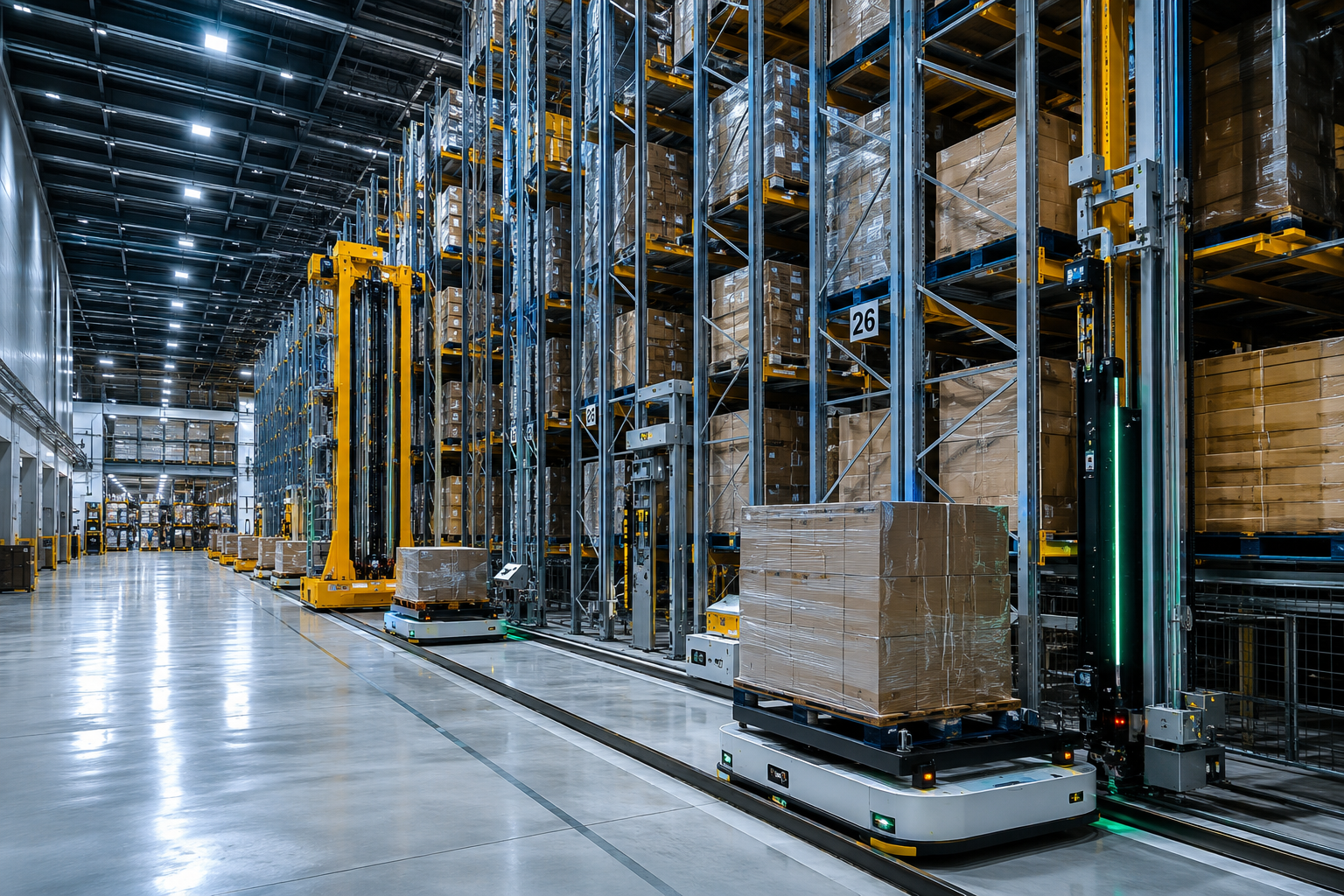
Private operators must finance heavy-duty pallet racking, purchase electric forklifts, install fire suppression systems compliant with Civil Defense codes, and hire certified warehouse staff. For companies with fluctuating seasonal demand, these fixed monthly overhead costs reduce cash flow.
| Operational Factor | In-House Private Warehouse | Safe Hands 3PL Warehousing |
|---|---|---|
| Capital Expense | High (Lease deposit, racking, equipment, WMS software) | Zero capital expense (Pay monthly per pallet space) |
| Capacity Flexibility | Fixed square meters; pay for empty space in slow months | Scale pallet positions up or down based on inventory volume |
| Licensing & Permits | Company manages Balady, Civil Defense, and SFDA permits | Operates in fully licensed, pre-approved commercial facilities |
| Customs Integration | Requires contracting separate customs brokers and haulers | Direct link to in-house customs clearance (License 7816-B) |
| Workforce Management | Direct hiring, training, and Saudization compliance quotas | Managed by experienced on-site logistics operators |
Teaming up with an established 3PL provider turns rigid fixed property costs into flexible operating expenses. When combined with our direct Inland Transport fleet, goods move from container discharge to warehouse racks under a single coordinated schedule.
Connecting Port Customs Clearance Directly to Warehouse Racks
A modern warehouse adds value only when incoming containers clear port inspection gates without administrative delays. Port storage fees and container demurrage accumulate rapidly when customs brokers and trucking carriers operate independently.
Safe Hands Shipping Line holds an official Saudi Customs Brokerage License (License 7816-B). When ocean cargo arrives via Sea Freight at Jeddah or Dammam, or air shipments arrive via Air Freight in Riyadh, our customs team processes the declaration (Bayan) electronically on the FASAH portal.
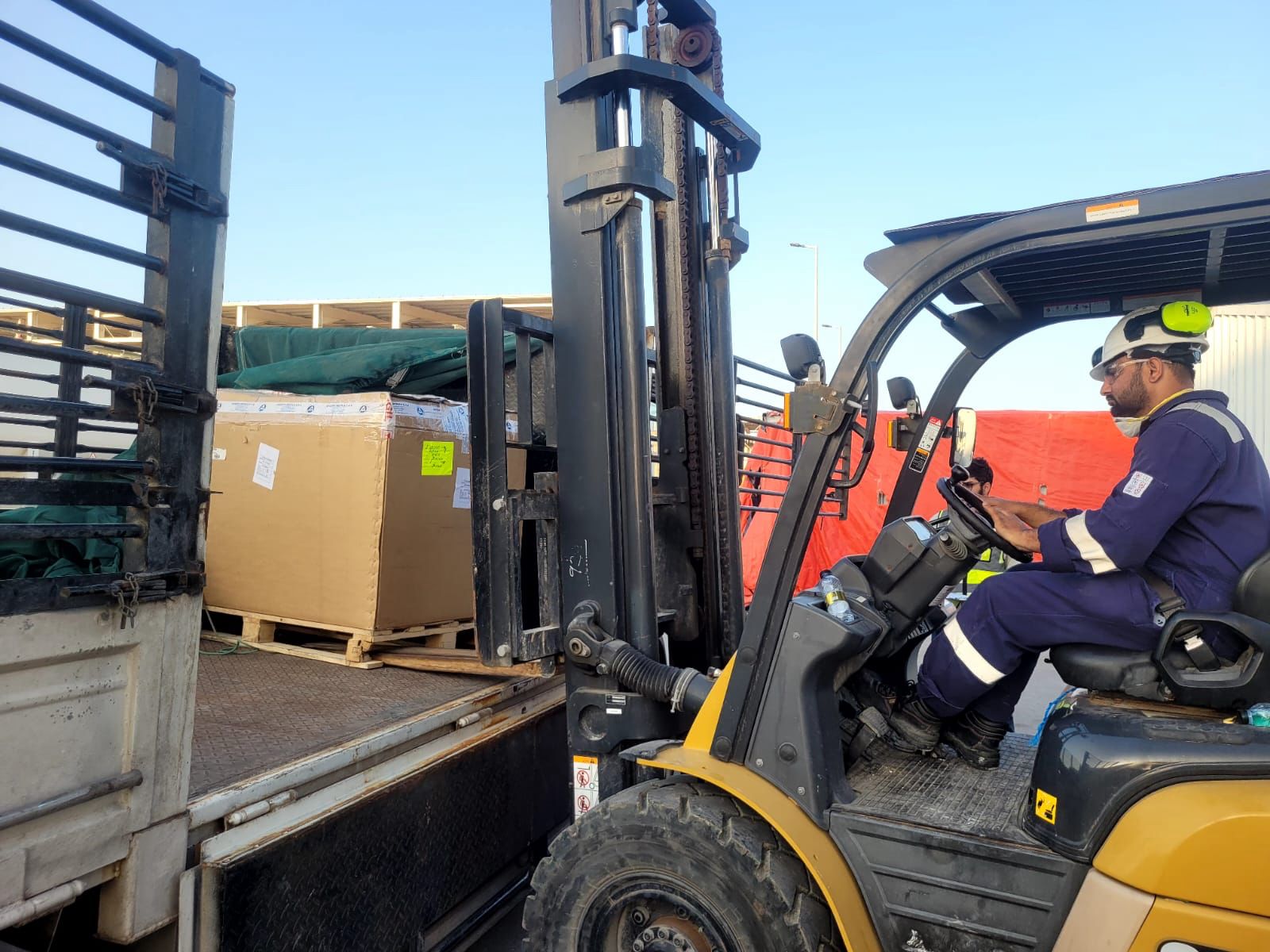
As soon as ZATCA releases the container, our flatbed trailers transfer the goods straight into our secure Riyadh warehousing facility. Importers avoid storage penalties at port terminals and gain immediate visibility over their inventory.
Checklist for Choosing a Storage Partner in Saudi Arabia
Before signing a commercial storage contract in the Kingdom, evaluate these four operational factors:
- Location Access: Ensure the facility sits close to major arterial roads (such as the Riyadh Eastern Ring Road or Jeddah Highway 5) to avoid peak-hour municipal truck bans.
- Regulatory Compliance: Check for active Civil Defense licenses, municipal Balady registrations, and SFDA approvals for food or pharmaceutical products.
- Security Infrastructure: Confirm 24/7 on-site guard presence, perimeter fencing, high-definition CCTV coverage, and fire sprinkler systems.
- Integrated Transport: Choose a provider capable of managing sea freight import, port drayage, customs clearance, and palletized storage under one point of contact.
Commercial Storage and Distribution Services by Safe Hands
Safe Hands Shipping Line provides secure commercial warehousing and inventory distribution in Riyadh. We offer flexible short-term and long-term pallet storage, temperature-controlled facilities, and direct integration with our customs brokerage and transportation fleets.
Contact our Riyadh operations desk through our contact page or call our team directly to discuss your monthly pallet requirements and request a storage rate proposal.
Recent Reads
Need Cargo Rates?
Get an instant customized rate sheet for your shipping requirements using our TEU calculator.
Quote Calculator